
Class 1: Championship Culture
Elite performers thrive on explicit clarity; mediocre performers hide in ambiguity. If your team cannot look at a wall and tell if they are winning or losing in real-time, your leadership architecture is incomplete.
Winning Team’s Cultural Traits
A winning culture requires active cultivation across five non-negotiable pillars:
ENGAGEMENT & ENERGY Injecting a dynamic tone directly into the daily workspace. High-performing leaders actively design milestones that make routine execution rewarding rather than monotonous.
RELATIONSHIPS: Building authentic peer-to-peer trust. Dispersed or busy teams do not bond accidentally; alignment requires leaders to deliberately block out connection time.
COMPETITION: Utilizing structured challenges to shatter perceived performance ceilings. Gamifying targets rallies individuals around shared group milestones.
ABSOLUTE SCOREBOARD CLARITY: Ensuring every single team member knows their exact performance metric every single day. Removing guesswork eliminates the passive "I'll make it up later" mentality.
CLEAR COMMUNICATION: Establishing predictable lines of dialog, including clear morning updates, collaborative digital channels, and objective end-of-day checkouts.
The Scoreboard Standard
Simple, Visible, and Daily:
If a team member has to ask if they are winning or losing today, your tracking architecture has failed.
Leading vs. Lagging Metrics: Stop trying to steer in the review view mirror. Shift focus from lagging outcomes to proactive leading inputs:
Lagging Indicators
Quarterly Financial/P&L Targets
Annual Employee Retention Rates
Historical Customer Escalations
Leading Indicators
Daily Production & Output Volumes
Weekly Structured 1-on-1 Touchpoints
Real-Time Quality Control (QC) Pass Rates
When we use leading metrics to predict our outcomes, we can drive daily and weekly results towards our big goals. Leaders catch problems faster and can adjust on the fly to ensure we achieve the planned results.
Leadership Cues
Balance Positive Rewards with Progressive Discipline: Be creative in ways to incentivize winning. Don’t allow yourself to fall into the trap of complaining about bad performance. Always ask yourself what I am doing to encourage the positive behavior and disincentivize the negative behavior.
Consistently Reinforce the Goals: In any competition you are the champion of your teams consitency
Publicly Reward the "Boring" Basics: The ultimate driver of culture is consistency. Continually call out and validate the team members who execute foundational processes flawlessly day in and day out.
IMMEDIATE LEADERSHIP ACTION ITEMS
Grade Your Team: Rate your current operation A-F on all 5 Traits (Fun, Relationships, Competition, Clarity, Communication).
Isolate the Point of Improvement: Select the single lowest grade and implement one specific countermeasure over the next two weeks.
Own the Number: Confirm that every person on your team has at least one distinct, trackable number visible to them every single day.
“Winners like winning; it doesn’t matter what the prize is. ”
Class 2: Regular check-ins and metrics
The weekly 1-on-1 is not a chore or a basic task-list review. It is a strategic growth engine. The purpose is to connect an employee’s daily production to their personal "Why" and long-term career goals.
Steps of an A+ 1-ON-1 Meeting
FOCUSED PREPARATION Never wing this meeting. Review your notes from last week and set a clear agenda. Give the employee editing access to the digital log in advance so they can add their own topics. Turn it into a collaborative partnership from the start.
START WITH WINS Always open by asking for one personal win and one professional win. This forces them to zoom out from daily pressures, breaks the ice, and starts the conversation on a positive note.
SELF-EVALUATION FIRST, THEN LEADER RESPONDS: Have the employee grade their own performance for the week before you say a single word. This instantly drives self-awareness, exposes blind spots, and creates a coaching moment to calibrate their understanding of success.
CONNECT TO PURPOSE Paint a picture of their long-term growth trajectory within the organization. Show them a clear path from entry-level execution to future branch leadership. When an "A-Player" gets a higher-paying offer from a competitor, your ability to map out their future is your greatest retention tool.
DEFINE NEXT WEEK'S WIN Do not leave the room without a clear destination. Explicitly outline exactly what an "A" performance looks like for the upcoming seven days.
DOCUMENT EVERYTHING Log your summaries and action items in a shared file, event description or email. If a coaching conversation or commitment is not documented in writing, it effectively didn't happen.
Using Clear Metrics
High performers crave explicit clarity; mediocre performers prefer ambiguity because they can hide in it. The formal 1-on-1 is your "table setter" for the entire week. If you treat it like an administrative burden, your team will treat their targets like a suggestion.
Metrics remove emotion. Use production stats, sales figures, and save rates to transform potentially tense character critiques into a non-emotional, collaborative analysis of the numbers.
Target Setting
When you use unambiguous targets, you change the conversation from a vague "work harder" to a specific behavioral shift. Numbers make abstract goals tangible, especially when linked directly to win-win outcomes:
Ambiguity: "We need to pick up the pace on our daily production." (Mediocre performers thrive here).
Clarity: "Hitting $1,800 in production daily equals an extra $18 a day in your pocket and locks in our team lunch." (High performers execution lane).
Leadership Cues
Tailor Your Communication Style:
How a message is received is entirely up to how you share it. Know your people and intentionally adapt your tone. A seasoned pace-setter might respond best to a direct, raw coaching style. A newer or struggling team member might shut down under that same intensity and require a supportive, more patient approach to rebuild their confidence.
The 30-Second Tailgate Loop:
The formal 1-on-1 meeting is just the table setter; the actual progress happens in the field. Reinforce your Friday commitments with quick, informal, daily check-ins at the truck tailgate or morning checkout. A simple, "Hey, how are we tracking on that quality score we talked about on Friday?" shows genuine care and ensures commitments are never forgotten.
Align Goals to the Individual's Life:
Go beyond professional deliverables to help the person grow. If an employee is dealing with massive stress at home, help them build a daily accountability plan that addresses their quality of life. When you show a genuine commitment to the person, buy-in follows.
Immediate Leadership Action Items
Grade the following things:
How consistently are you doing 1-on-1s?
How well do you prep for these meetings?
How well do your people understand the purpose behind 1-on-1s?
How well are you using objective data in your coaching?
Protect the Calendar: Identify the non-negotiable weekly time blocks you will lock in for your direct reports' 1-on-1s. Commit to never moving or cancelling these sessions.
Build the Shared Log: Set up the collaborative file or folder where you and your team member will co-author agendas and document weekly wins, self-grades, and next week's targets.
Class 3: Crucial Conversations and 3C’s
The operational health of a team is measured by the lag time between identifying a performance gap and executing the hard conversation required to fix it. Delaying the dialogue doesn't avoid stress; it multiplies it.
The 3C’s of Communication
To execute a successful crucial conversation—characterized by high stakes, shifting emotions, and opposing viewpoints—leaders must deploy three core pillars:
Courage: The internal drive to step past the fear of conflict and initiate the dialogue immediately.
Candor: Speaking the unvarnished truth with crystal clarity, eliminating soft qualifiers or vague hints that cloud the issue.
Consideration: Maintaining deep professional respect and psychological safety so the other person does not shut down. Candor without consideration is an attack; consideration without candor is an operational lie.
“Clear is kind, unclear is unkind.”
Crucial Conversations Framework
A step-by-step operational tool designed to strip anxiety out of performance management and drive behavioral alignment:
Urgent Execution: Tackle performance friction immediately. Confronting issues early eliminates systemic drag and removes massive amounts of leadership stress.
Prepare Yourself: Write down the clear behavior you need to see change. Get yourself in the right mindset and tone of voice before starting.
State the Intent: Give the other person time to gather themselves. Let them know upfront exactly what type of conversation you are having so there are no tactical ambushes.
Active Reflective Listening: Listen with genuine empathy to ensure they feel heard. Repeat back exactly what you hear them say without adding your own commentary or defenses, allowing them to hear their own words completely context-free.
The Dual-Win Alignment: Clearly communicate the required behavioral modification. Directly tie this performance shift to how it helps them win individually (career growth, bonus metrics, peace of mind) and how it helps the entire team or department win.
End with Urgency
Leadership Cues as Reminders
Own Your Internal Climate: Check your mindset and tone of voice before you step into the room. If your internal state is rooted in frustration, punishment, or proving you are right, stop. Re-anchor your motive to coaching, building an asset, and protecting the standard.
Silence is a Performance Tax: When you avoid a hard conversation, you aren't being nice—you are being unclear. Tolerating a behavior change gap forces your top performers to carry the weight of underperformance, which breaks department camaraderie and signals that your standards are negotiable.
De-escalate via Safety: The moment an individual goes defensive or goes silent, the safety in the room has broken. Step out of the performance data temporarily, reinforce your high consideration and commitment to their personal success, and then transition back to the objective facts.
Immediate Leadership Action Items
Identify the Avoided Conversation: Pinpoint the exact conversation in your business or department that you are currently putting off because it feels uncomfortable. Write down the core performance gap in one clear sentence.
Script Your Crucial Conversation Statement: If you change this BEHAVIOR, you will see this WIN FOR YOU and WIN FOR THE TEAM. If you do not change it, this is the CONSEQUENCE.
Pull the Trigger: Block out a non-negotiable 15-minute slot on your calendar today or tomorrow to have the conversation.
Class 4: coaching from why
Leading from "Why" & Mastering Your Locus of Control
Leading From Our Why:
You cannot give what you do not have. Authentic leadership begins when you define your personal anchor—why you choose to show up, protect the standards, and push through operational fatigue. When your personal "why" is clear, your standard of execution becomes an unyielding commitment, not a variable mood.
Helping Our Team Find Their Why:
Motivation is individual. You must actively discover what drives each individual on your team (e.g., providing for family, financial freedom, career progression, mastering a trade). Once you unlock their personal "why," you can directly tie their daily performance expectations to their personal ambitions.
Leading a Team From Why:
Shift your daily communication from not just the what to do, but also explaining why it matters. When a team understands the systemic impact of their execution (e.g., how strict load-out processes prevent callbacks and get them home to their families faster), they take ownership of the task.
Locus of Control
This framework divides behavior into two distinct mindsets:
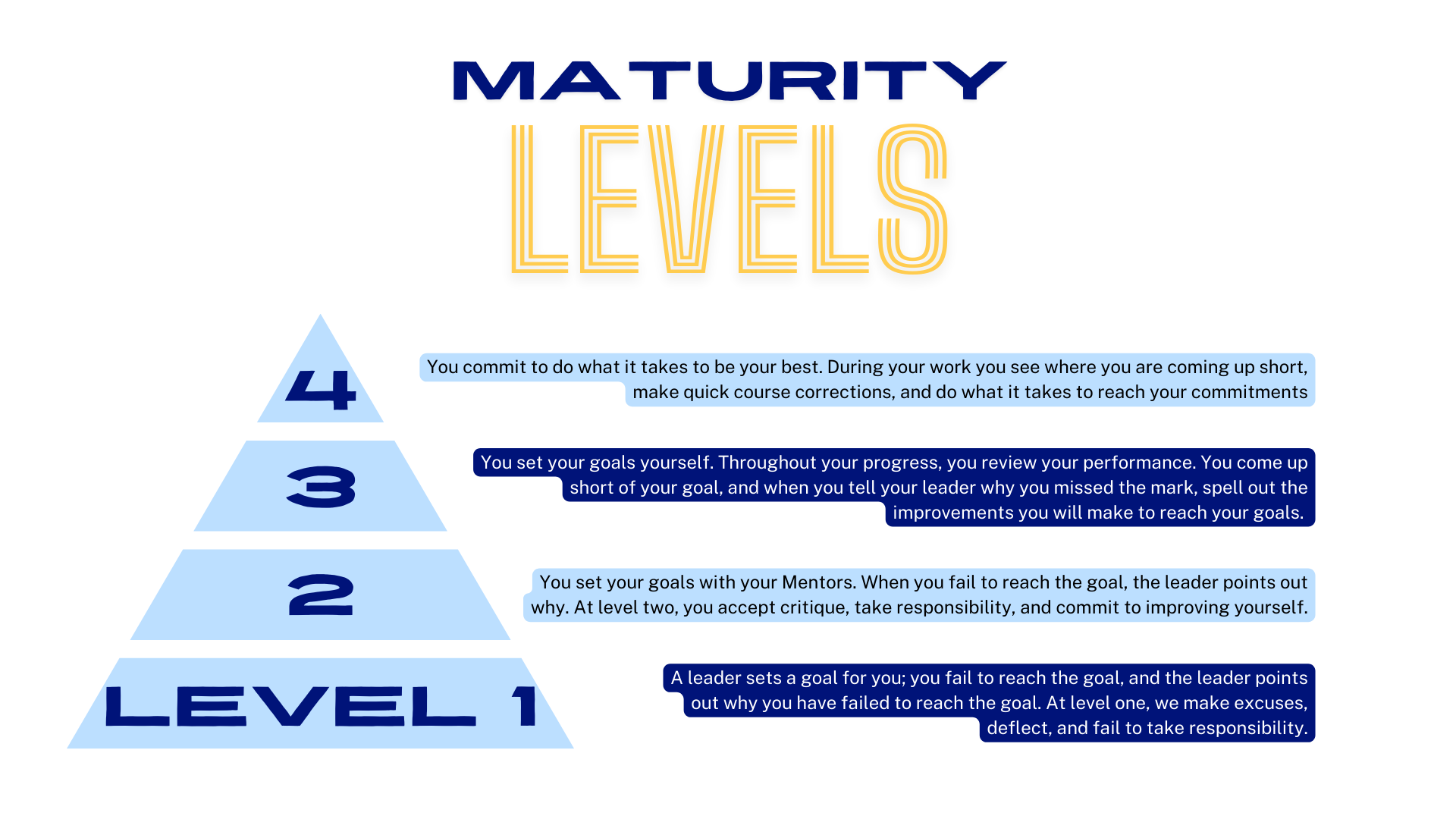
External Locus (The Excuse Mindset): Focusing on unchangeable variables (weather, route density, customer mood). This breeds excuses, passivity, and frustration.
Internal Locus (The Owner Mindset): Focusing strictly on variables you can directly influence (preparation, effort, attitude, communication). This drives extreme ownership and continuous improvement.
Leadership Cues
Catch Your Own Language First: When a target is missed, stop asking: "Why is this happening to us?" (External). Shift your focus to: "What can we actively do right now to adjust and win?" (Internal).
Praise the Struggle: Don't just praise natural high-performers who make it look easy. Publicly validate and reward team members when they choose to push past discomfort to execute a difficult process.
Clear the Runway: Reduce factors that people can’t control so they run their day.
Immediate Leadership Action Items
Define Your Anchor: Write down your personal "why" as a leader in two sentences. Keep it in your daily planner as a reminder of why you hold the line.
Conduct a "Why" Discovery: In your next structured 1-on-1, ask a team member: "What are you personally working toward over the next 12 months, and how can we align your daily performance metrics to help you get there?"
Flip the Excuse: Identify the most common external complaint your team is using right now (e.g., "These routes are too tight"). Run a brief huddle to isolate the 2 or 3 variables the team can control to dominate the day despite that constraint.
Class 5: Proactive leadership
A reactive leader manages by interruption, spending all day putting out fires they usually created through poor planning. A proactive leader builds a disciplined calendar that protects the priorities that actually move the business forward.
Moving from Reactive to Proactive:
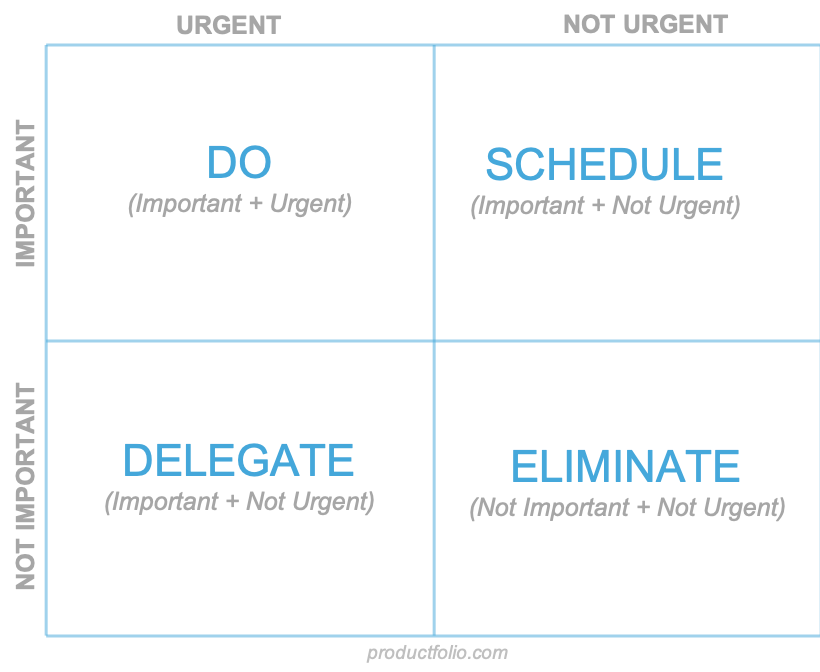
The Reactive Trap (The Firefighter Cycle): Most leaders operate in a constant state of defense- responding to emails, handling walk-in emergencies, and fixing preventable mistakes. This creates an environment where urgency is mistaken for importance. Moving to proactive leadership requires establishing firm operational boundaries.
Calendar Integrity & Time-Blocking: If a priority isn't blocked out on your calendar, it doesn't exist. Proactive leaders treat key coaching sessions, route reviews, and system audits as non-negotiable appointments with the business.
The Tool: The Eisenhower Matrix
Leadership Cues:
The Day Will Run You if You Don't Run the Day: The moment you open your inbox or step onto the field without a daily plan, you surrender your priority list to everyone else's needs.
Protect Quadrant 2 at All Costs: High-value leadership tasks (coaching, strategic prep, process improvement) are rarely urgent, so they are the first things canceled when chaos hits. Proactive leaders defend these blocks fiercely.
Build the Bookend Routines: A proactive day starts the evening before and ends with a structured checkout. Setting up tomorrow's priorities today eliminates morning panic and keeps the team focused on execution.
Immediate Leadership Action Items
1. Conduct a one week fire check: Log every unplanned distraction for one week on paper or in a note. At the end of the week, see what trends and patterns you identify. Figure out what you can move from reactive to proactive to have a plan for next time.
2. Establish Non-Negotiable Time Blocks: Block out two fixed, repeating slots on your weekly calendar dedicated purely to Quadrant 2 planning and team development. No distractions allowed.
3. Execute the 5-Minute Evening or Morning Setup: Before closing out each afternoon or morning before you interact with any one, write down the top 3 critical, non-negotiable targets that must be accomplished tomorrow before any reactive work begins.
Class 6: Partnering in Development
Building the Bench & Executing the "Coach, Not Player" Shift
"Our success as a leader is no longer measured by what you can accomplish personally. Our leadership is measured by the capacity of the team we build. If you are still doing the work instead of teaching the work, you haven't built an operation; you've built a ceiling."
Summary of Key Points & Tools
The "Coach, Not Player" Shift: Most managers get promoted because they were the best technician or operator on the crew. When chaos hits, your natural instinct is to grab a tool, jump in the truck, and try to save the day yourself. But Nick Saban or Kirby Smart doesn't strap on pads and run out on 3rd-and-10. Your job isn't to stack up personal stats anymore; it's to make sure your people know how to run the play without you holding their hands.
Roster Architecture & The Depth Chart: Managing a department like a General Manager means looking at your roster 12 to 24 months out, not just filling tomorrow's schedule. Powerhouse programs don't collapse when players graduate because the backups get real snaps in practice every week. Treat your department like a real depth chart:
Starters: High performers running their daily routes and tasks cleanly.
Redshirts: High-attitude talent you are actively grooming for the next level.
Open Seats: Gaps on the roster you need to recruit for before an emergency forces your hand.
The Tool: The 2-Year IDP (Individual Development Plan): A weekly 1-on-1 keeps daily metrics on track, but an IDP builds your future bench. It starts with one simple question: "Where do you want to be in two years, and how can I help you get there?" When you tie a crew member's daily job to their actual personal goals, you stop managing tasks and start developing talent.
GWC (Get it, Want it, Capacity to do it)
From the book Traction: Get a Grip on Your Business by Gino Wickman (EOS). How it fits the Depth Chart theme: You cannot promote someone onto your depth chart just because you like them or because they’ve been with the company for a long time. They must pass all three filters for the new seat:
G (Get it): Do they truly understand what the higher-level seat requires daily?
W (Want it): Do they genuinely want the extra responsibility, or are they just chasing the title/pay?
C (Capacity): Do they have (or can they quickly build) the mental, emotional, and technical capacity to execute?
Leadership Cues as Reminders
Put Down the Clipboard: When a team lead or assistant makes a mistake during morning load-out or on a job site, don't take over and fix it for them. Stepping in takes away their learning rep and teaches them to rely on you. Stand on the sideline, take notes, and coach them through it during the debrief.
Develop 3-Star Talent: Championship programs don't survive on five-star recruits alone. They win because they take three-star guys with great work ethic and put them through a strong development process. Focus your coaching energy on the team members who show up, care, and want to learn.
Build Your Replacement to Get Promoted: If your branch can't survive a week without you, senior leadership will never move you up. Training your replacement isn't a risk to your job security. It is the only way you clear room for your own promotion.
Immediate Leadership Action Items
Map Your Depth Chart: Draw out your current team on paper today. Label every seat as Green (Ready backup trained), Yellow (Backup in training, 6 months out), or Red (No backup; immediate operational risk).
Run One IDP Conversation: Pick your top "Redshirt" candidate this week. Sit down for 30 minutes and ask: "Where do you want to be in two years, and how can I help you get there?" Pick two specific operational skills they need to master next.
Hand Over the Playbook: Take one management task you usually handle yourself (running the morning huddle, auditing routes, or closing out the day) and let your assistant or team lead run it completely for the next two weeks. You observe, take notes, and give feedback afterward.